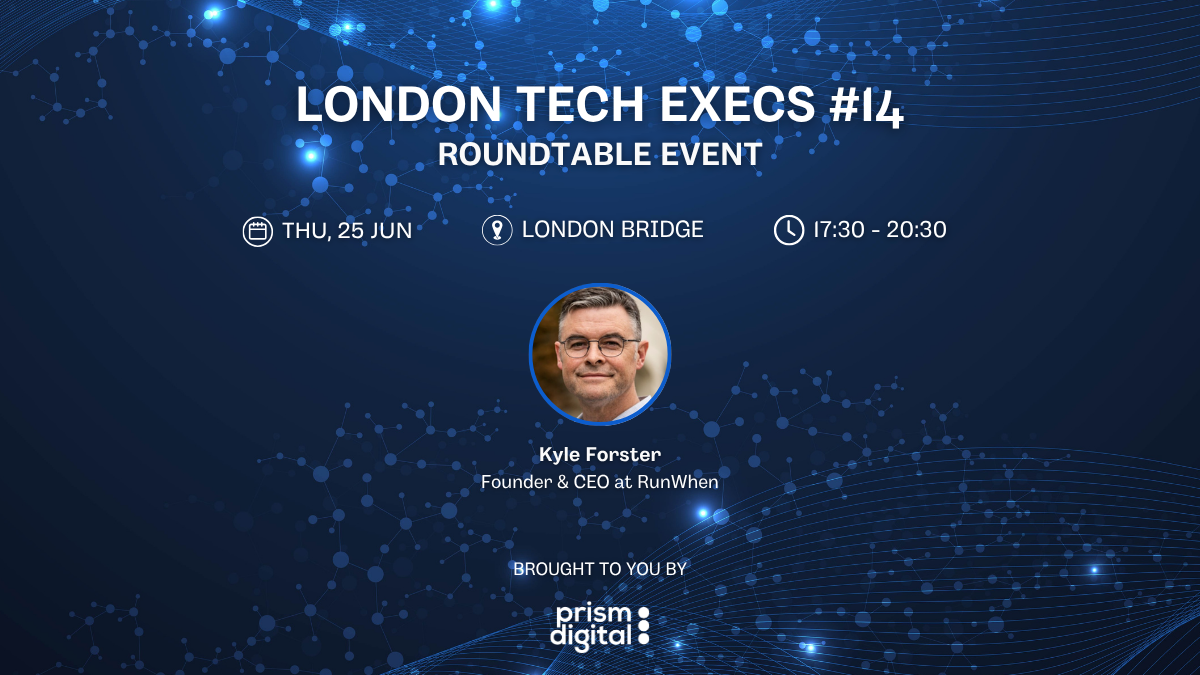
London Tech Execs #14 - Building Agents for Cloud Infrastructure and Ops
Most enterprise engineering leaders spend 40-70% of their budget "keeping the lights on" rather than developing new capabilities. Think L1 production support, alert triage, routine infrastructure maintenance.
AI Coding tools are changing the math of software delivery. Developers are building 10-50% more code per month, but they are causing 10-50% more production incidents per month along with more escalations, more infrastructure changes, more roll-outs and roll-backs... However, Infrastructure and Operations teams are not getting 10-50% more headcount.
We are seeing early teams capturing personal productivity wins. Maturing teams, however, are building agents with so much context and automation that any engineer on any team can progress any issue anywhere in their tech stack.
We'll talk:
Replacing rotting runbooks with agents for L1 teams
Agents for developer self service in dev, test and production
Measuring the ROI of infrastructure agents (read: count escalations vs MTTR)
Building agents that have production access safely - investing in layers that are durable vs those that are not
Agenda:
5:30pm to 6:00pm – Arrival and networking
6:00pm to 6:15pm – Introductions
6:15pm to 7:00pm – Session part one
7:00pm to 7:10pm – Break
7:10pm to 7:45pm – Session part two and discussion
7:45pm to 8:30pm – Networking and wrap-up
Hosted by

Discussion Leader

Kyle Forster
Founder & CEO, RunWhen
Kyle Forster is a serial founder and engineering leader currently based in London. With a career spanning product, infrastructure and platform roles at Microsoft, Cisco and Google, he founded Big Switch Networks, a pioneer in Software Defined Networking, acquired by Arista in 2020, before going on to build RunWhen, a platform for deploying AI agents that handle the keep-the-lights-on work every engineering team would automate if they had the time. Named a Gartner Cool Vendor in AI SRE, RunWhen is already deployed in production with Fortune 50 enterprises, with hundreds of thousands of hours of agent runtime across alert triage, incident investigation, developer self-service and beyond.
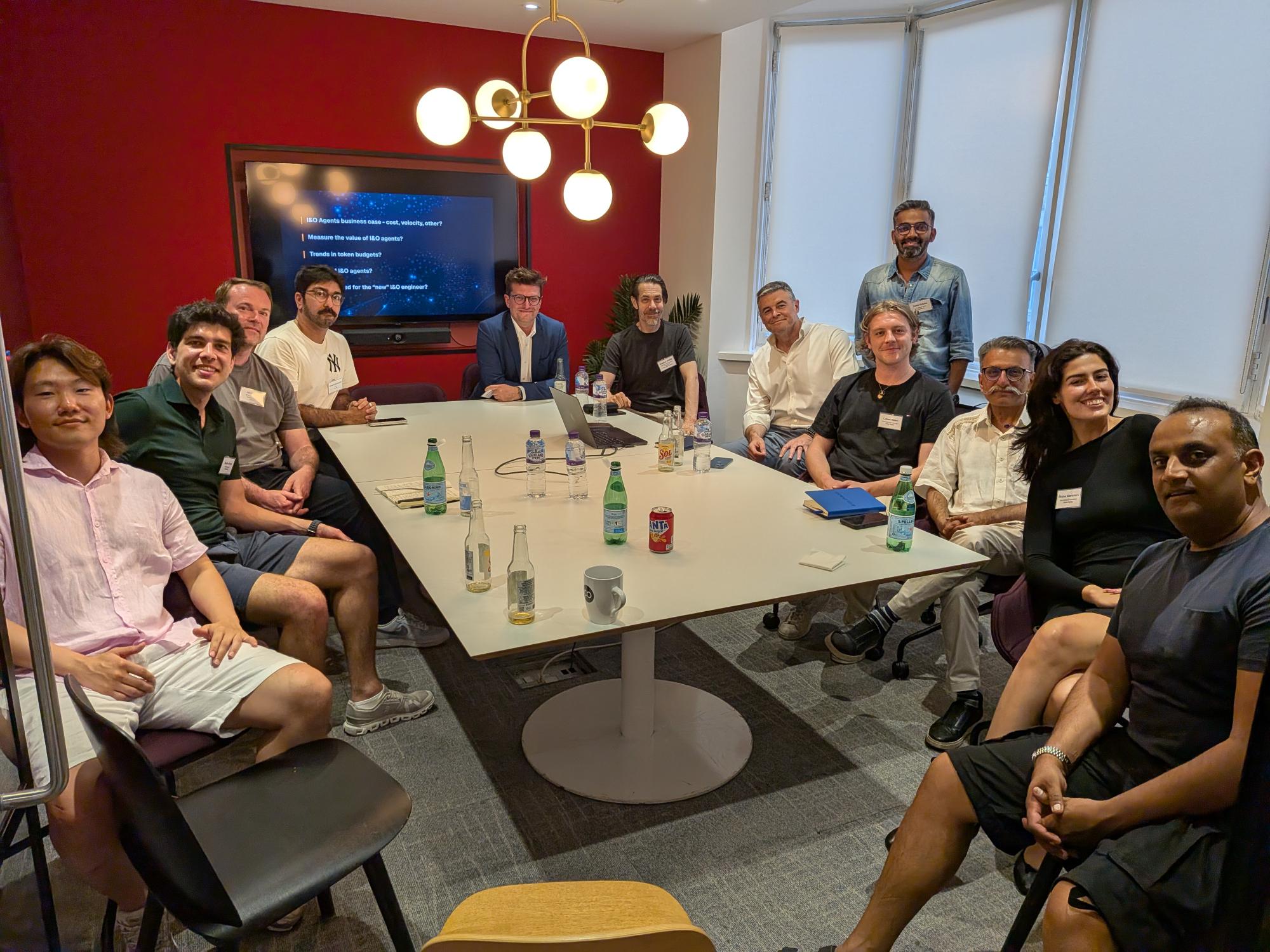
Event Photos